







IWES’s story
Founded in Berlin in June 2019 as a spin-off of GFZ Potsdam, Innovative Water and Environmental Solutions (IWES) brings decades of expertise in hydrology, remote sensing and climate science to water and environmental projects. Its mission is cutting-edge scientific research with a strong emphasis on practical implementation.
Its services span consulting, capacity building, software development, AI-driven hydrological forecasting for floods and droughts, and natural hazard and risk mitigation. Its MODSNOW tool supports operational snow monitoring in Central and South Asia.
Its partners include the World Bank Group, UNESCO, UNDP Uzbekistan, the German Red Cross and the Swiss Agency for Development and Cooperation. In 2025 its work included a field mission to Uzbekistan for a World Bank-funded feasibility study and MODSNOW training with the Pakistan Meteorological Department. That mix of research, software and field work means IWES works with a wide range of people: funding institutions, government agencies, research partners, local experts and the teams that use its tools.
It is international work by nature. Projects can involve institutions on several continents and field teams far from Berlin, and they often run for years.
Projects, not just deals
A consultancy does not sell one product through one pipeline. It runs projects with several partners at once, each with its own institutions, people and commitments, and a standard deal pipeline has no place for that structure.
One project may involve a funding institution, a national agency, a research partner and local teams, and the same organisation may appear in several projects in different roles. Keeping track of who is involved in what is a large part of the work.
Most CRMs are built around a simple model: an account, a contact and a deal moving through stages. For a consultancy, that model leaves out most of what matters, and the real structure of the work ends up in spreadsheets and documents beside the CRM. IWES needed a CRM where the main records are the ones its work actually revolves around: projects and partners, not only deals.
Agreements scattered across inboxes
Projects move forward in meetings. A call with a partner sets a timeline, a workshop agrees on next steps, a field mission raises new questions. What was agreed in each one matters for months afterwards.
When those agreements live in individual inboxes, notebooks and documents, they are hard to find when they are needed. A colleague joining a project has to ask what was decided, and follow-ups depend on someone remembering them.
For a team working across several countries and time zones, that is a real risk. A missed next step with an international partner is harder to recover than one with a colleague down the corridor. IWES needed a single place where each project’s partners, people and agreements could live together, in a form the whole team could use.
The problem is not a lack of information. Meeting notes, emails and documents exist; they are simply in too many places to give anyone the full picture of a project when they need it.
The PromptLab moment
IWES needed a CRM that could reflect how a consultancy actually works, rather than forcing its projects into a sales pipeline. PromptLab lets a team define its own objects, link them to accounts and contacts, and keep meetings and tasks on the records they concern.
Custom objects let IWES describe its work the way it runs: partners, projects and the people on them, all linked. The flexibility came without giving up the basics. Accounts, contacts, emails, meetings and tasks all work as they do in any CRM, and the custom objects sit alongside them, linked in both directions. It also kept the setup in the team’s hands. Objects and fields are defined in PromptLab itself, so IWES can adjust its structure as its projects change without waiting for a developer.
How IWES uses PromptLab
IWES uses PromptLab to keep its projects, partners and agreements in one connected structure. The work falls into three parts. Each part connects to the others, so a meeting, a task and a partner can all be traced back to the project they concern.
Partners and projects as objects
Custom objects hold projects and partner institutions, linked to the contacts who work on them. Each object has the fields IWES needs, and its records can be filtered in views and used in reports like any built-in record.
Because the objects are linked, the structure of the work is visible. Opening a project shows its partners and people, and opening a partner shows the projects it is involved in.
Contacts can be linked to more than one project. A specialist at a partner institution who works on several projects appears on each, so it is clear who knows whom and in what context.
Saved views help the team slice the same data. One view may show active projects by region, another the partners involved in a particular programme, each built from the same records.
Meetings on the record
Meetings are recorded and summarised onto the right project, so what was agreed stays with the work it concerns. The summary and next steps land on the record, where the whole team can read them.
Months later, anyone on the team can open a project and see what was discussed with each partner and when. The history of a project no longer depends on who was in the room.
Calls on Google Meet can be recorded and transcribed, and meetings booked through Calendly or Cal.com arrive in PromptLab matched to the right contact. Whichever way a meeting starts, it ends up on the record.
Next steps as tasks
Action items from each meeting become tasks with owners and due dates. Each task is linked to the project it belongs to, so the context is one click away.
Every person sees what is due, and the team can see what is open across a project. Commitments made to partners are followed up because they are on a list, not because someone remembered them. Tasks can be reviewed project by project, so before a call with a partner, the team can see what was promised last time and whether it has been done.
Workflows can help here too. When a project record changes, a workflow can create the next task or notify the people involved, so routine follow-ups do not depend on memory.
A structure that matches the work
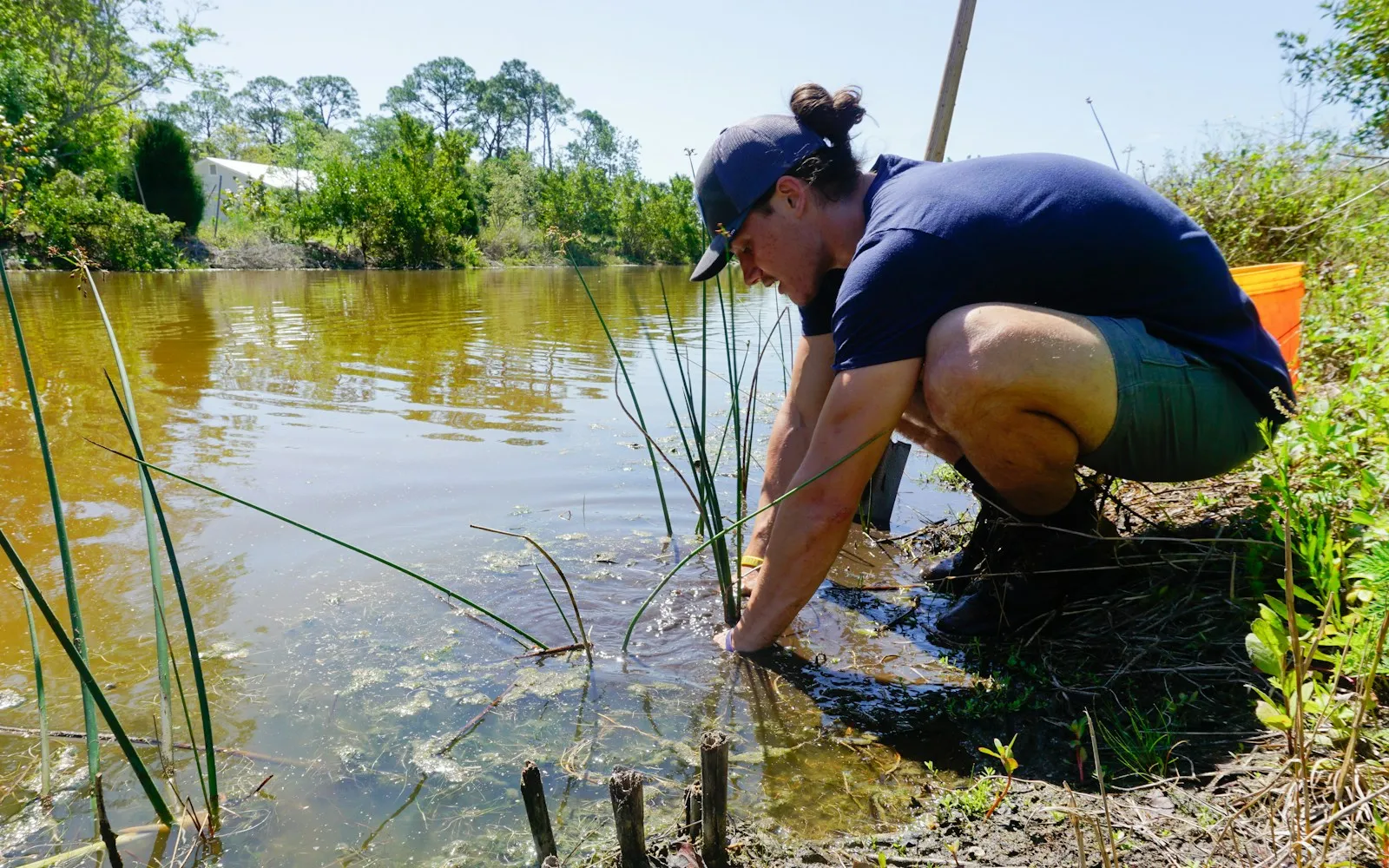
IWES works where science meets practice, with partners across Europe and Central and South Asia. A CRM shaped around its projects and partners gives the team one place to see that work, without forcing it into a model built for selling products.
As new projects and partners are added, they fit the same structure. Each meeting adds to the record, and each next step becomes a task, so the knowledge behind every project stays with the team. That continuity matters most in long projects, where people change and years can pass between the first conversation and the final report.